Weather Patterns Reshape Betting Lines Across Major Outdoor Leagues
Written by Sage Vogel · Jul 2, 2026
Weather Patterns Reshape Betting Lines Across Major Outdoor Leagues
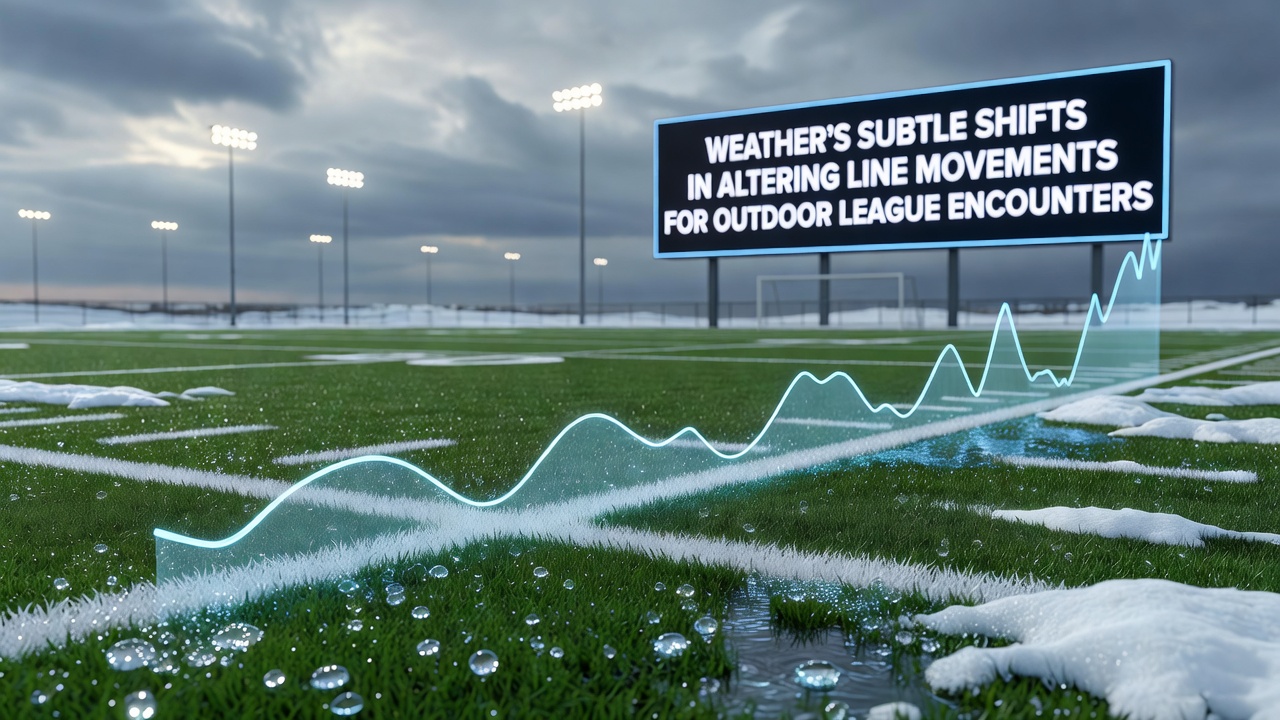
Weather introduces variables that shift player performance metrics and team strategies in outdoor sports, and these changes prompt oddsmakers to adjust betting lines in real time. Data from multiple seasons shows that factors such as wind speed, precipitation, temperature, and humidity alter expected scoring outputs in leagues including Major League Baseball, the National Football League, and international soccer competitions, which in turn moves point spreads, totals, and player props by measurable margins.
Core Weather Elements That Drive Line Adjustments
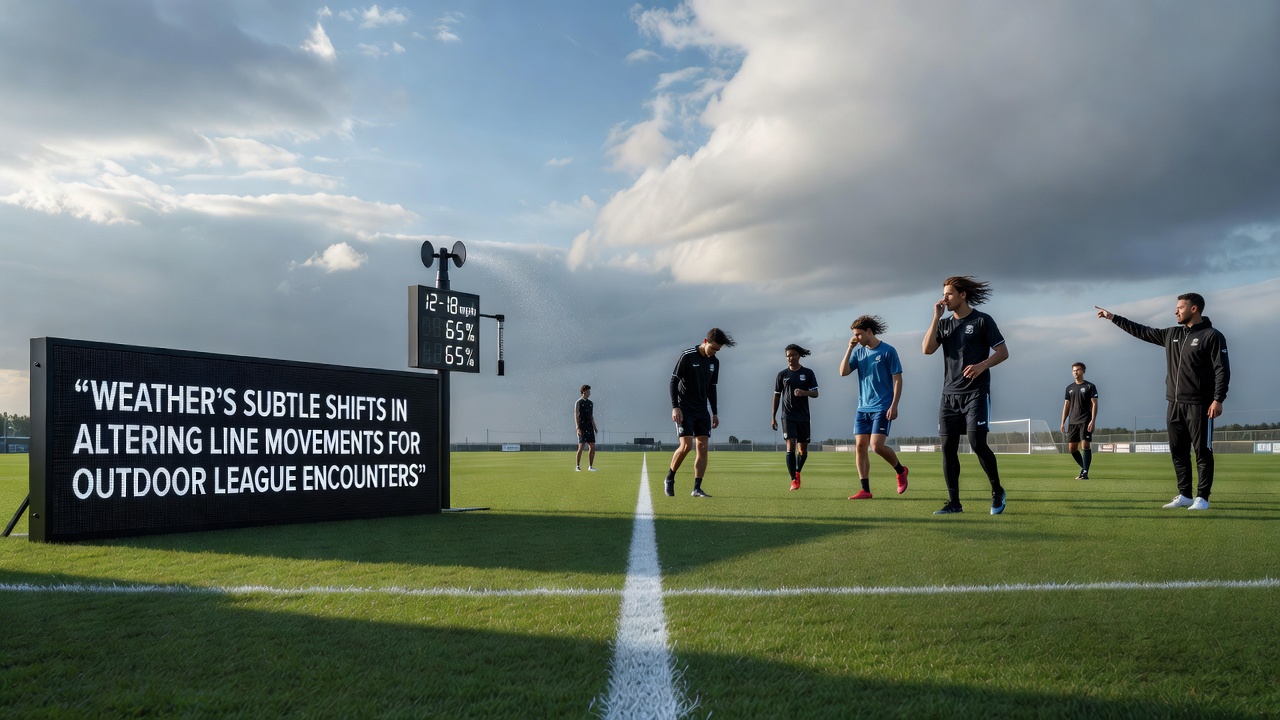
Wind speed ranks among the most direct influences on outdoor events because it modifies ball flight paths and field conditions simultaneously. In baseball, sustained winds above 10 miles per hour at stadiums with open outfield designs have correlated with reduced home-run rates according to historical play-by-play records, while gusts in the same range during football games increase the frequency of missed field goals and lower passing completion percentages. Precipitation adds another layer by softening playing surfaces, which slows ground balls in baseball and reduces traction for receivers in football, prompting totals lines to drop as much as three to five points in documented instances.
Temperature extremes further compound these effects. Higher heat and humidity levels accelerate player fatigue during extended contests, leading to measurable declines in late-game efficiency for both pitchers and position players. Lower temperatures stiffen equipment and reduce grip, which analysts have linked to higher error rates in fielding and kicking statistics. Observers note that these environmental shifts become particularly pronounced during July schedules when afternoon games in humid climates coincide with peak attendance and television markets, amplifying the visibility of any line movement triggered by updated forecasts.
League-Specific Responses to Forecast Updates
MLB markets demonstrate consistent sensitivity to weather because the sport features teh highest volume of outdoor venues and the most granular statistical tracking. When forecasts call for rain delays or high winds, totals lines move downward within hours of release, and sharp bettors often target under props on individual hitters whose home parks amplify those conditions. NFL lines follow a similar pattern during early-season road games in open-air stadiums, where cold temperatures and precipitation have historically depressed scoring averages by eight to twelve percent in comparative data sets.
Soccer leagues operating in variable European and South American climates show parallel adjustments, especially for matches involving long travel or high-altitude venues. Crosswinds affect long-range shots and set-piece accuracy, which data providers have quantified through expected-goal models that feed directly into live betting platforms. Those models incorporate real-time meteorological inputs, allowing lines to recalibrate between kickoff and halftime when conditions deviate from initial projections.
Data Sources and Analytical Integration
Research institutions have compiled multi-year data sets that connect weather variables to performance outcomes. A study published by the University of Colorado Boulder examined wind and temperature effects across professional baseball and football seasons, revealing statistically significant correlations between atmospheric conditions and both offensive production and defensive efficiency. Government agencies such as the National Oceanic and Atmospheric Administration supply granular forecast grids that sports analytics firms integrate into proprietary algorithms, which then inform the rapid line revisions seen on major betting exchanges.
These integrations occur through automated systems that flag deviations exceeding predefined thresholds. When wind gusts exceed seasonal averages or precipitation probability rises above thirty percent within a four-hour window of game time, the algorithms trigger alerts that result in totals adjustments ranging from two to seven points depending on sport and venue. Industry reports from organizations tracking North American and Australian markets indicate that such revisions occur in roughly eighteen percent of outdoor contests during peak summer months, with the largest movements concentrated in the twenty-four hours before first pitch or kickoff.
Practical Implications for Market Participants
Betting platforms respond to these inputs by widening or narrowing lines to balance action and protect against concentrated wagers on weather-driven edges. In July 2026, several high-profile outdoor series coincided with unseasonal wind patterns across the central United States, producing documented totals reductions that persisted through game day. Those adjustments reflected aggregated data rather than speculation, as models incorporated venue-specific historical performance under similar atmospheric profiles.
Line movements also extend to ancillary markets such as player props and halftime totals. Pitchers facing elevated humidity levels show increased walk rates in tracked data, which influences strikeout and earned-run props accordingly. Defensive backs in football exhibit lower interception totals during heavy precipitation, shifting related player props in the opposite direction. These granular shifts illustrate how weather propagates through multiple layers of the betting ecosystem without requiring dramatic forecast changes.
Conclusion
Weather-driven line movements in outdoor league encounters rest on measurable environmental impacts that statistical models translate into adjusted odds. Data from university research, national meteorological services, and industry tracking organizations demonstrates consistent patterns across baseball, football, and soccer that oddsmakers incorporate into real-time revisions. As forecasting precision and analytics integration continue to advance, the speed and magnitude of these adjustments remain tied to verifiable atmospheric conditions rather than external narratives.