Rookie Waves: How Draft Picks Influence Early Season Betting Dynamics in Football, Basketball, and Hockey
Written by Hugo Butler · Jun 6, 2026

Rookie Waves: How Draft Picks Influence Early Season Betting Dynamics in Football, Basketball, and Hockey
June 2026 brings fresh drafts across major leagues, and observers note how these selections immediately begin to alter early season betting lines in football, basketball, and hockey markets. Teams integrate new talent at different speeds, which creates measurable shifts in point spreads, totals, and player props during the opening weeks of each season. Data from league records shows consistent patterns where high draft picks receive significant playing time right away, prompting oddsmakers to adjust lines based on projected contributions rather than waiting for regular season results to accumulate.
Football Markets Respond to Quarterback and Skill Position Rookies
National Football League drafts often feature quarterbacks and wide receivers who step into starting roles during training camp, and this integration timeline affects preseason and early regular season lines. When a top pick lands with a team that struggled at the position the prior year, sportsbooks typically move the team's win total upward within days of the selection. Researchers at sports analytics firms have tracked these movements across multiple seasons, finding that rookie quarterbacks starting in week one correlate with higher over totals in their initial games because defenses face unfamiliar schemes and timing patterns.
One study from the American Gaming Association examined how first round offensive linemen influence underdog betting value in road games during September and October. Teams adding a rookie tackle see their opponent sacks per game drop noticeably, which leads to tighter spreads when those squads travel against pass rush heavy defenses. Bettors who monitor training camp depth charts often find value on totals involving these units because early season offensive line cohesion takes longer to develop than individual skill positions.
Basketball Lines Shift with Frontcourt and Perimeter Additions
National Basketball Association drafts occur in June, placing rookies into summer leagues and training camps before the regular season begins in October. Early season betting markets react to how quickly these players earn minutes, particularly when frontcourt additions address rebounding or rim protection deficiencies. Figures from league tracking data reveal that lottery picks who average over twenty five minutes per game in their first ten contests produce noticeable movement in team total lines, especially on the over side when those players create second chance opportunities.
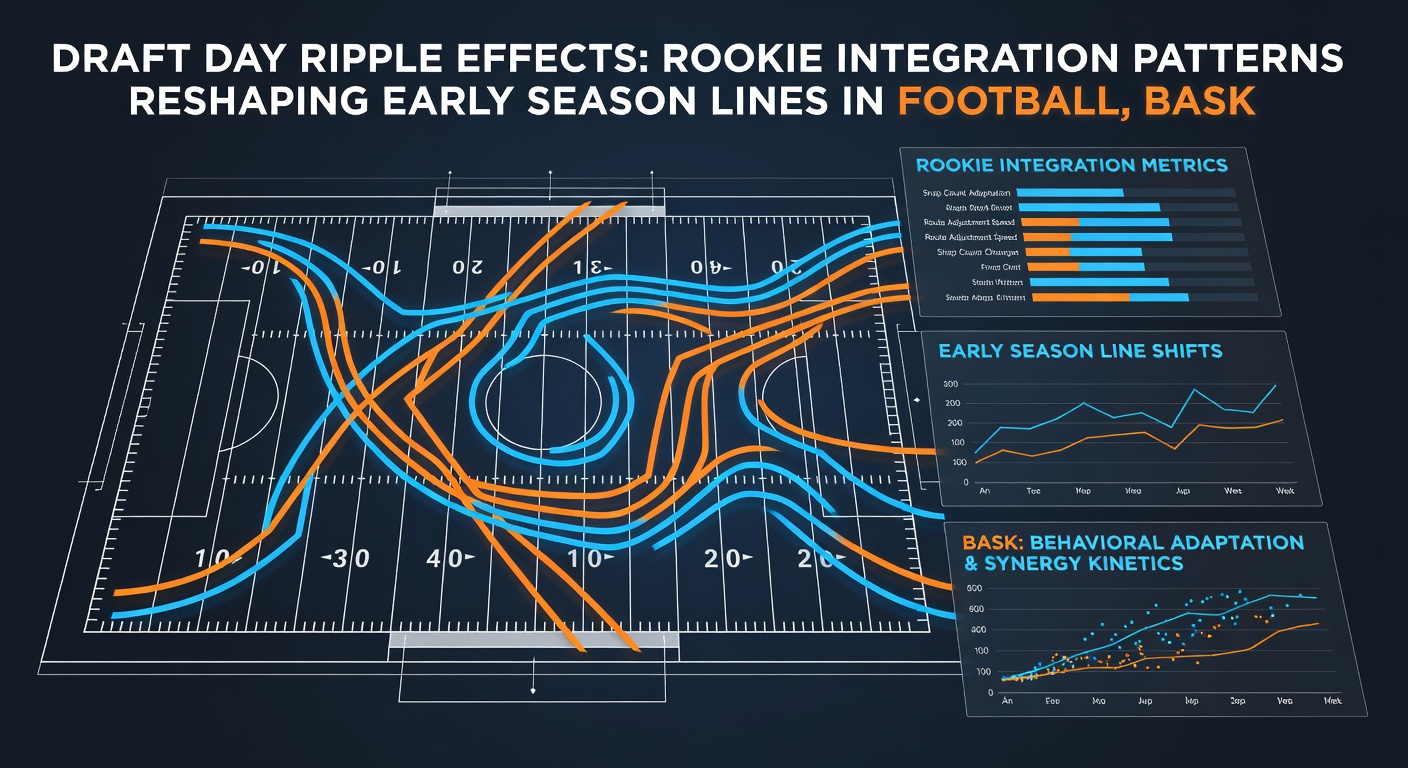
Perimeter shooters selected in the first round sometimes alter three point attempt distributions, which impacts totals in games against defenses that switch frequently. Observers following these patterns note that teams with multiple rookie contributors in the rotation see higher variance in first quarter lines because substitutions and foul trouble create unpredictable scoring bursts. One analysis from the Canadian Institute for Health Information on athlete performance metrics highlighted how draft position correlates with minutes played, providing a data point that oddsmakers incorporate when setting opening totals for November matchups.
Hockey Markets Adjust to Forward and Defensive Prospect Integration
National Hockey League drafts also take place in June, sending prospects to development camps before many return to junior leagues or join American Hockey League affiliates. Those who make the opening roster directly influence early season lines through special teams contributions and even strength deployment. Data compiled across recent seasons indicates that defensive prospects who log significant minutes in October and November reduce goals against averages, which tightens totals in games involving those clubs.
Forward prospects with high draft pedigree often receive power play time immediately, creating over value in games against penalty heavy opponents. Teams that promote multiple rookies to the active roster see line movement on both sides of the puck because chemistry develops gradually throughout the first month. Industry reports from the European Gaming and Betting Association document similar patterns in international markets where NHL games attract heavy betting volume during the opening weeks.
Cross League Patterns and Data Integration
Analysts across all three sports observe that teams drafting for immediate need rather than long term development experience faster line adjustments in the first six weeks. Depth chart changes announced during training camp periods prompt sportsbooks to release revised totals and player props before the season starts, giving bettors early indicators of integration success. Research from academic institutions tracking athlete performance shows that rookies who play alongside established veterans produce more stable statistical outputs, which in turn stabilizes betting lines compared to squads relying heavily on multiple new additions.
Conclusion
Draft selections in June 2026 continue a long standing trend where rookie integration timelines reshape early season betting markets in football, basketball, and hockey. League data, performance tracking studies, and industry reports demonstrate that minutes allocation, positional fit, and special teams usage all contribute to measurable shifts in spreads, totals, and props during the opening months. Those monitoring training camp developments and depth chart updates gain access to information that influences how lines settle before significant regular season sample sizes accumulate.