Revealing the Role of Training Load Analytics in Driving Performance Peaks for Top Athletes
Written by Hugo Butler · May 21, 2026
Revealing the Role of Training Load Analytics in Driving Performance Peaks for Top Athletes
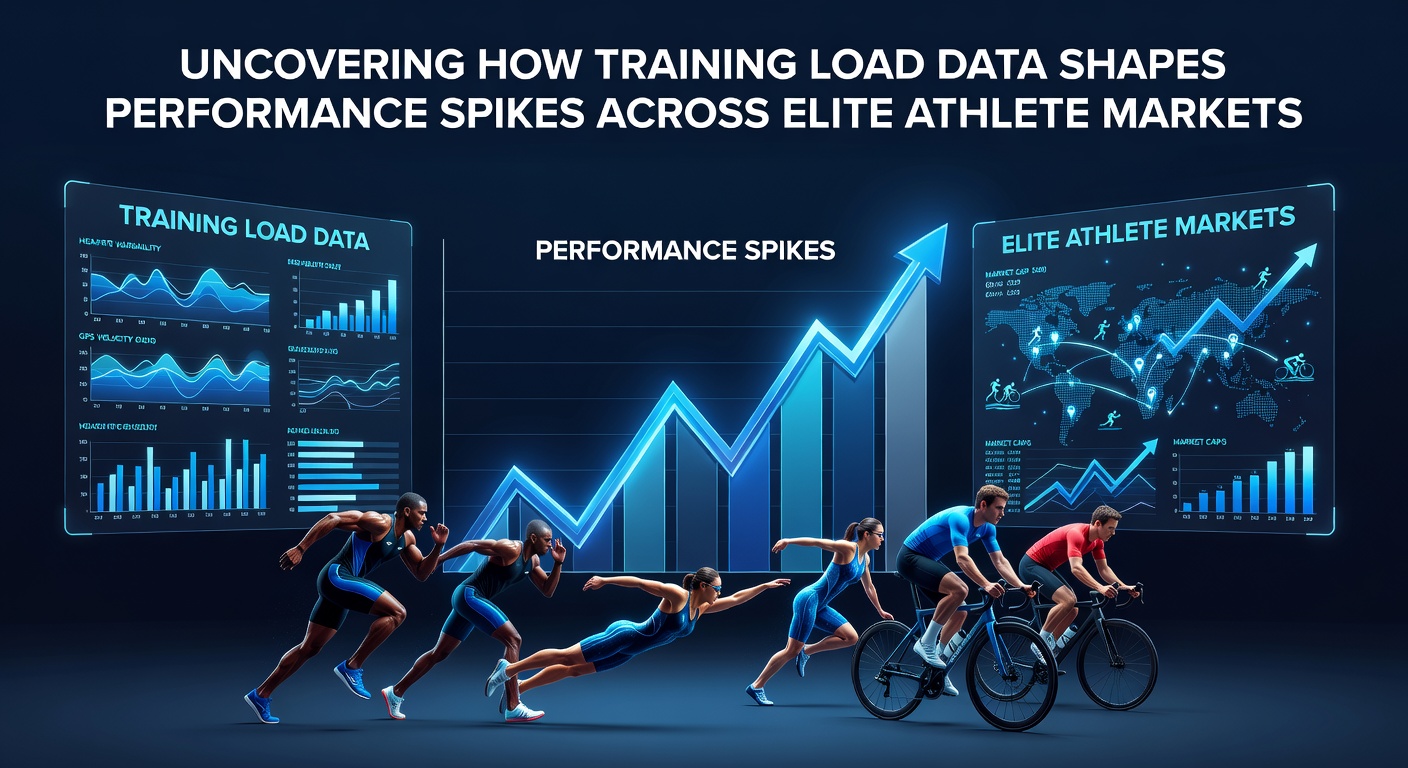
Training load data has become central to how coaches and support staff manage elite athletes across major sports leagues, and researchers continue to track its direct connections to sudden improvements in output during competitions. Data collected through GPS units, heart rate monitors, and accelerometers provides precise measurements of external and internal loads that athletes experience in training and matches, allowing teams to adjust schedules in ways that align with observed performance patterns. Studies from sports science programs show that carefully calibrated increases in load often precede measurable spikes in speed, power, and endurance metrics when recovery periods are timed correctly.
Measuring Training Load in Modern Programs
External load captures the work an athlete performs such as distance covered, accelerations, and decelerations while internal load reflects physiological responses including heart rate variability and perceived exertion scores. Sports organizations in North America and Europe integrate both types of data into daily monitoring systems, and analysts note that combining these streams produces more accurate forecasts of when athletes reach optimal readiness states. One study published by the American College of Sports Medicine tracked collegiate and professional cohorts over multiple seasons and found consistent links between progressive load ramps and subsequent gains in repeat sprint ability and jump height.
Teams in the NBA and European soccer leagues now use standardized protocols that flag when cumulative loads exceed individual thresholds established during pre-season testing. These thresholds vary by position and sport yet follow similar principles where acute spikes in training volume without sufficient recovery windows correlate with temporary dips before later surges appear in match statistics.
Performance Spikes Observed Across Sports
Performance spikes emerge when training load data guides tapering strategies that reduce volume while preserving intensity in the days before key fixtures. Observers note this pattern in tennis tournaments where players who follow data-driven load management show improved serve speeds and rally endurance during later rounds. Similar trends appear in track and field events scheduled for May 2026 where athletes preparing for major championships have demonstrated personal bests after periods of monitored load reduction.
Researchers at institutions such as the American College of Sports Medicine have documented cases in which load adjustments based on real-time feedback led to measurable improvements in high-intensity efforts lasting under sixty seconds. Data from these investigations indicates that athletes who maintain loads within individualized sweet spots experience fewer soft-tissue issues and sustain higher outputs across consecutive competitions.
Case Examples from Professional Environments
Take one soccer club that implemented daily load monitoring across its academy and senior squads. Staff recorded external load through wearable sensors and adjusted small-sided game durations accordingly, resulting in documented increases in high-speed running distances during matches later in the campaign. Another example comes from an NBA franchise that used internal load scores to modify practice intensity for back-to-back games, and subsequent player tracking showed elevated points-per-minute figures for those who received tailored recovery days.
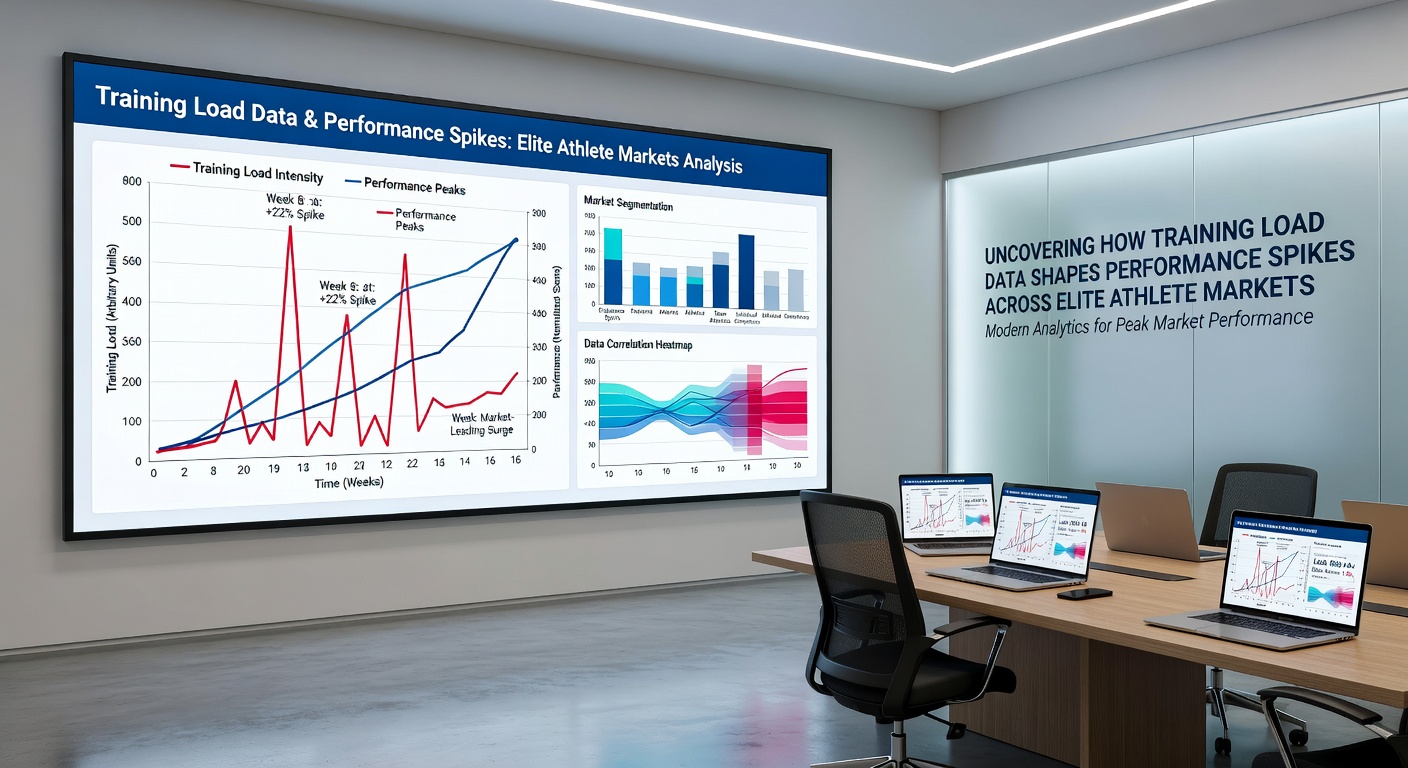
These approaches rely on longitudinal datasets that stretch across months rather than single sessions, and analysts emphasize that short-term fluctuations matter less than trends built over four to six week blocks. Teams that integrate this longer view tend to see performance markers rise at predictable intervals aligned with competition calendars.
Integration with Broader Athlete Management
Training load platforms now interface with sleep trackers and nutrition logs to create holistic profiles that influence roster decisions throughout a season. In May 2026 several leagues will face compressed schedules due to international breaks and tournament windows, increasing reliance on load data to identify which athletes can handle elevated demands without performance decline. Reports from the Australian Institute of Sport highlight how such integrated systems helped national team athletes maintain peak outputs during similar congested periods in prior cycles.
Coaches and performance directors review weekly load reports alongside video analysis and scouting notes, and this combination helps pinpoint when an athlete is primed for elevated contributions. Data indicates that spikes in key metrics such as meters per minute or explosive actions often follow deliberate load reductions of fifteen to twenty-five percent in the preceding microcycle.
Future Directions in Load Management Research
Academic groups continue to refine algorithms that predict individual responses to load changes using machine learning models trained on multi-sport datasets. These models incorporate variables like age, injury history, and positional demands to generate personalized recommendations that teams test during off-season periods. Evidence from ongoing projects suggests improved accuracy in forecasting performance windows when data collection remains consistent across both training and competition environments.
Organizations such as the International Olympic Committee have supported collaborative studies that pool anonymized load information from various disciplines, and initial findings point toward shared principles that apply across endurance, power, and team sports. As sensor technology advances and sample sizes grow, the precision of these forecasts is expected to increase further.
Conclusion
Training load data continues to shape how elite programs structure preparation and recovery, with documented connections to performance spikes that appear across multiple sports and competition levels. By focusing on measurable external and internal metrics, support staff create conditions where athletes reach heightened states of readiness at targeted times. Continued research and wider adoption of integrated monitoring systems will likely strengthen these connections in seasons ahead, including the packed calendar set for 2026.