Remote Casinos Surge Past Sports Betting: UK Online Gambling's 2026 Mobile Makeover
Written by Jonas Ludwig · Apr 23, 2026

Remote Casinos Surge Past Sports Betting: UK Online Gambling's 2026 Mobile Makeover
The Big Shift in UK Online Gambling
Remote casino gaming has overtaken traditional sports betting as the leading sector in the UK online gambling market during 2026, marking a pivotal change in player preferences and platform dynamics; data from iGaming Today reveals this transition clearly, with casinos now dominating gross gaming revenue while sports betting slips to second place. Adults continue participating at a steady rate between 25% and 33%, showing consistent engagement levels year over year, but the real story lies in how most activity funnels through mobile devices, turning smartphones into the primary gateway for bets and spins.
What's interesting here is the speed of this pivot; operators report that mobile platforms handle the bulk of wagers now, up sharply from previous years, as users favor quick sessions on the go rather than desktop marathons. And in April 2026, with spring sports like horse racing and football filling calendars, casino games still pull ahead, drawing players with immersive slots, live dealer tables, and progressive jackpots that keep engagement high.
Take one operator's case: a major licensee saw its casino vertical explode by double digits early this year, while sports volumes stabilized, underscoring how digitalization reshapes habits without inflating overall participation.
Mobile Dominance Drives the Action
People often overlook how seamless apps have become the norm, but figures show mobile accounting for over 70% of online gambling sessions in the UK this year, blending convenience with cutting-edge features like touch ID logins and real-time notifications; researchers note this shift correlates directly with remote casinos' rise, since games load faster and feel more accessible on smaller screens compared to clunky sportsbooks. Yet sports betting hasn't vanished—it's just evolved, with in-play mobile options keeping it competitive, although casino revenue now leads the pack.
Observers point out that younger demographics, those aged 18-34, lead this mobile charge, favoring roulette wheels and blackjack hands over match odds during commutes or breaks; data indicates steady adult participation holds firm at 25-33%, meaning the market expands not by adding heads but by deepening engagement on portable tech. So as April 2026 unfolds, with events like the Cheltenham Festival wrapping up, mobile casino plays spike alongside residual sports interest, painting a hybrid picture where digital tools unify it all.
But here's the thing: this isn't just about tech upgrades; operators invest heavily in responsive designs and geo-targeted promotions, ensuring compliance while chasing that mobile majority.
Navigating the Regulatory Maze
The UK Gambling Commission enforces stringent rules on licensing, anti-money laundering (AML), and advertising, pushing operators to innovate in compliance amid this casino boom; licenses demand rigorous financial checks and player protection measures, while AML protocols scan transactions in real-time to flag suspicious patterns, and ad restrictions limit bonuses and promotions to safer messaging. Turns out, these guardrails foster creativity—firms roll out AI-driven monitoring tools and self-exclusion integrations that not only meet standards but enhance user trust.
Experts have observed how one platform pioneered blockchain for transparent AML logs, earning Commission praise and setting a benchmark; although rules tighten yearly, operators adapt swiftly, balancing innovation with oversight to sustain growth. And with economic stakes high, compliance becomes a competitive edge, as non-adherent players migrate elsewhere.
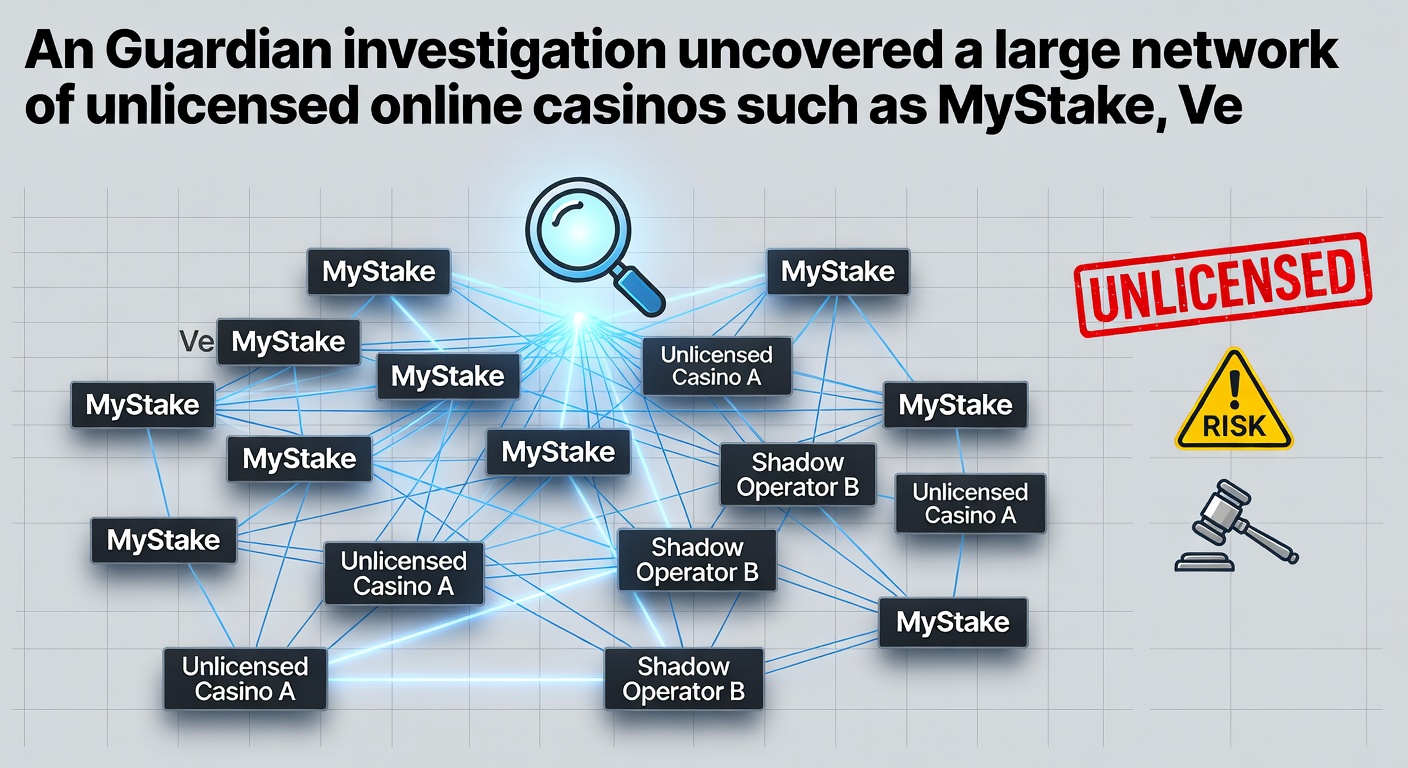
Now, in the context of April 2026, fresh Commission audits highlight these efforts, confirming that licensed sites handle the surge responsibly while unlicensed shadows lurk, but regulated players dominate the legitimate space.
Economic Ripple Effects and Job Creation
Operators contribute tens of thousands of jobs across tech, customer service, and compliance roles, bolstering local economies from London hubs to regional call centers; data underscores a 21% tax revenue yield from gross gaming revenue, funneling billions back into public coffers for health, education, and beyond. This isn't pocket change—the sector's footprint rivals major industries, with casino growth amplifying payrolls as mobile teams expand.
Take the numbers: one report tallies over 40,000 direct positions tied to online gambling, many in software dev and data analysis, while indirect jobs in payment processing and marketing swell the total further; figures reveal tax hauls hitting record highs in 2026, thanks to casino dominance and mobile efficiency that boosts volumes without proportional cost hikes. So while regulations scrutinize, the payoff shows in employment stats and fiscal contributions that policymakers tout.
What's significant is the balance—strict oversight ensures sustainability, preventing the excesses seen elsewhere, and positioning the UK as a global model for regulated digital gambling.
Ongoing Trends Toward Digital Adaptation
This casino-led shift reflects broader patterns of digitalization, where VR trials and personalized algorithms draw users deeper into remote play, yet sports betting clings via esports and virtual events; regulatory adaptation keeps pace, with Commission updates on age verification and stake limits refining the framework without stifling progress. People who've studied this landscape know the rubber meets the road in mobile-first strategies, as operators layer on gamification like loyalty tiers to retain that 25-33% participant base.
And consider hybrid models: some sites blend casino lobbies with sports streams, capturing cross-over traffic, while economic data ties it back to job growth and taxes; it's noteworthy that amid April 2026's sports fever—think Premier League sprints and snooker worlds—casinos still command the revenue throne, signaling a mature market attuned to player whims.
Yet challenges persist, like ad blackouts on social media forcing clever content pivots, but operators thrive by leaning into compliance tech that turns rules into revenue protectors.
Conclusion
Remote casinos have firmly eclipsed sports betting in the UK online gambling arena for 2026, propelled by mobile platforms and steady 25-33% adult participation; operators master Gambling Commission mandates on licensing, AML, and ads, sparking compliance breakthroughs that underpin tens of thousands of jobs and a robust 21% tax take. As digital trends accelerate, this landscape evolves with purpose—balancing innovation, regulation, and economic muscle—setting the stage for sustained growth in a tightly governed space.
The reality is clear: in April 2026 and beyond, teh UK's betting world runs leaner, greener on mobile casino rails, a testament to adaptation winning the day.