Barometric Pressure's Role in Reshaping Over and Under Markets Across Football and Baseball
Written by Sofia Hartmann · Jun 25, 2026
Barometric Pressure's Role in Reshaping Over and Under Markets Across Football and Baseball
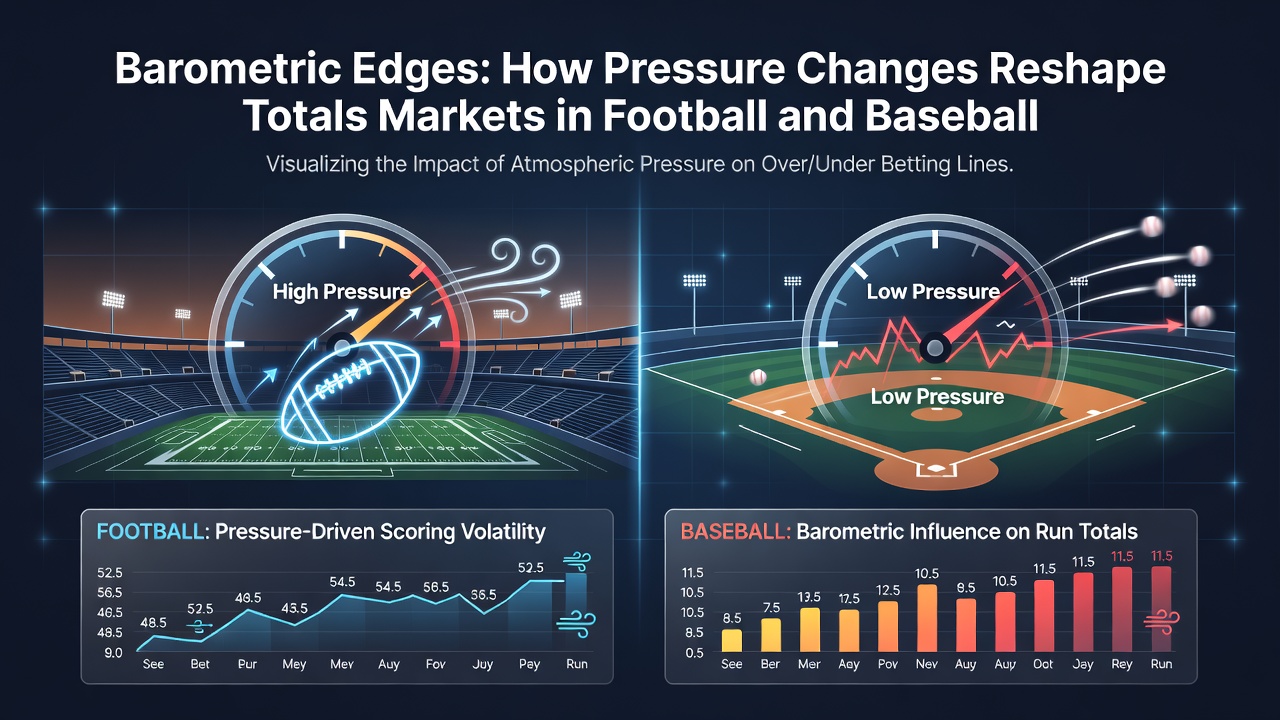
Barometric pressure shifts create measurable changes in how balls travel through the air, and these variations directly influence scoring patterns that totals bettors track in both football and baseball, while researchers at institutions like the National Oceanic and Atmospheric Administration have documented consistent correlations between atmospheric conditions and game outcomes over multiple seasons.
High-pressure systems tend to produce denser air that creates more resistance for a baseball in flight, which reduces the distance traveled on fly balls and line drives, whereas low-pressure environments allow the ball to carry farther and this dynamic has prompted analysts to adjust expected run totals when weather maps show rapid changes approaching a stadium, especially during the early summer months when June 2026 schedules bring teams into variable climates across both leagues.
Atmospheric Density and Baseball Scoring Patterns
Studies from university meteorology departments reveal that a drop of one inch in barometric pressure can add roughly 5 to 10 feet to the carry of a well-struck baseball, and this added distance increases the likelihood of home runs and extra-base hits that push game totals over the posted lines, while data from multiple MLB seasons shows elevated scoring rates during periods of falling pressure ahead of cold fronts.
Pitchers also experience subtle effects because the same denser air that shortens fly balls can alter the break on breaking pitches, which forces adjustments in velocity and location that sometimes lead to more hittable offerings when the atmosphere feels heavier, and observers note these patterns become particularly pronounced at high-altitude venues where baseline pressure already sits lower than at sea level.
Pressure Influences Extend Into Football Totals
Football presents a different set of variables because the ball itself is larger and the game involves more ground-based action, yet research compiled by sports performance labs indicates that low-pressure conditions can still affect kicking distance and passing trajectories enough to shift field-goal success rates and deep-ball completion percentages, while these changes accumulate over a full game and nudge totals markets toward the over when pressure readings fall below seasonal averages.
Defensive backs and receivers face altered ball flight paths during sudden weather shifts, and teams that practice in controlled environments sometimes struggle when they encounter unexpected pressure drops on game day, which contributes to higher incompletion rates or extended drives that increase total points, according to tracking data released by professional sports analytics organizations in the United States.
Market Reactions and Betting Adjustments
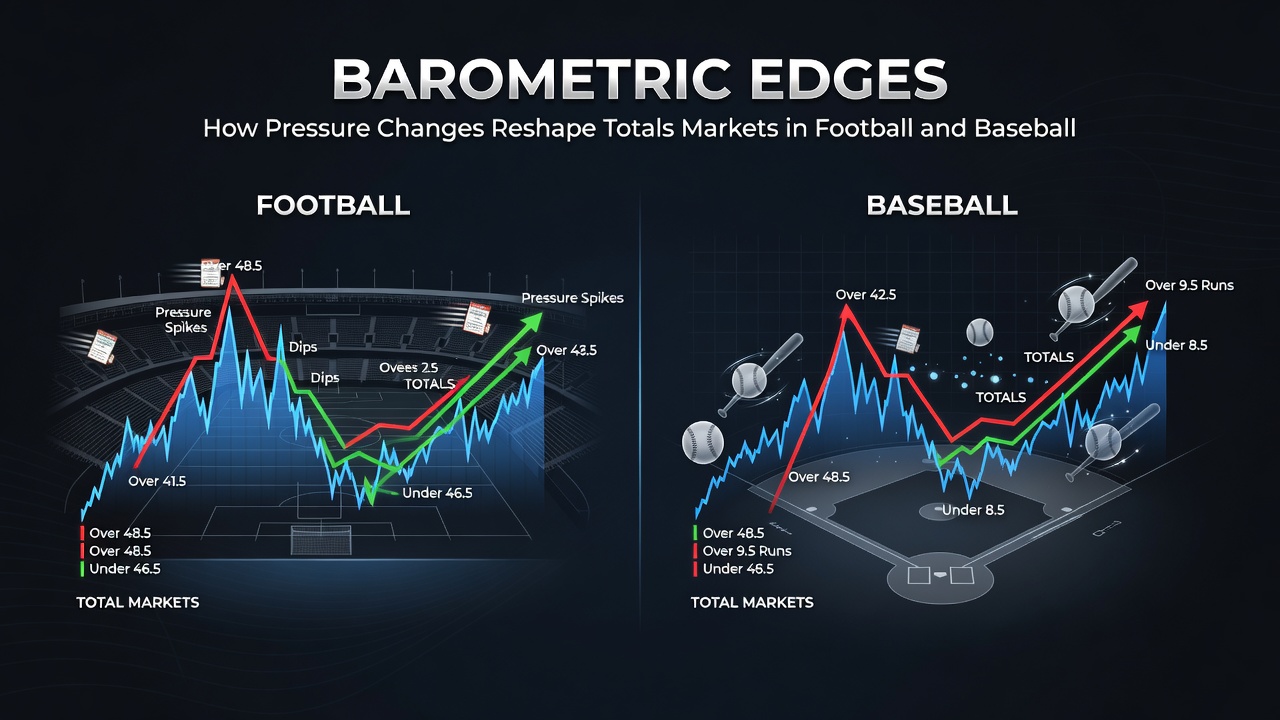
Oddsmakers monitor weather forecasts closely and they often shade totals lines when models predict significant pressure changes, but sharp bettors who cross-reference real-time barometric readings with historical scoring data sometimes find value on the opposite side of the adjustment, and this cat-and-mouse dynamic plays out most visibly during afternoon games when daytime heating combines with incoming weather systems to create rapid pressure swings.
One study conducted by atmospheric scientists at a major research university tracked over 2,000 baseball games and found statistically significant over-performance in run totals during the six-hour window following a measurable pressure drop, while similar though smaller effects appeared in football data sets when humidity levels rose alongside falling pressure readings.
Practical Applications for Totals Bettors
Bettors who integrate pressure forecasts into their process often compare projected scoring environments against closing totals and they look for discrepancies that arise when public perception lags behind actual atmospheric data, and this approach has gained traction as more granular weather information becomes available through public sources and specialized sports meteorology services.
June 2026 schedules place several key series and matchups in regions prone to afternoon thunderstorms and associated pressure fluctuations, which creates recurring opportunities for those who monitor barometric trends alongside traditional factors like bullpen usage and offensive matchups, while the same principles apply across both sports when games move into domed or retractable-roof venues that still experience external pressure influences through ventilation systems.
Conclusion
Barometric pressure functions as one measurable variable among many that reshape expected scoring in football and baseball, adn the edges emerge when bettors combine atmospheric data with established statistical models rather than treating weather as a secondary consideration, while ongoing research continues to refine the precise thresholds where these shifts become most actionable for totals markets.